 Rishfeld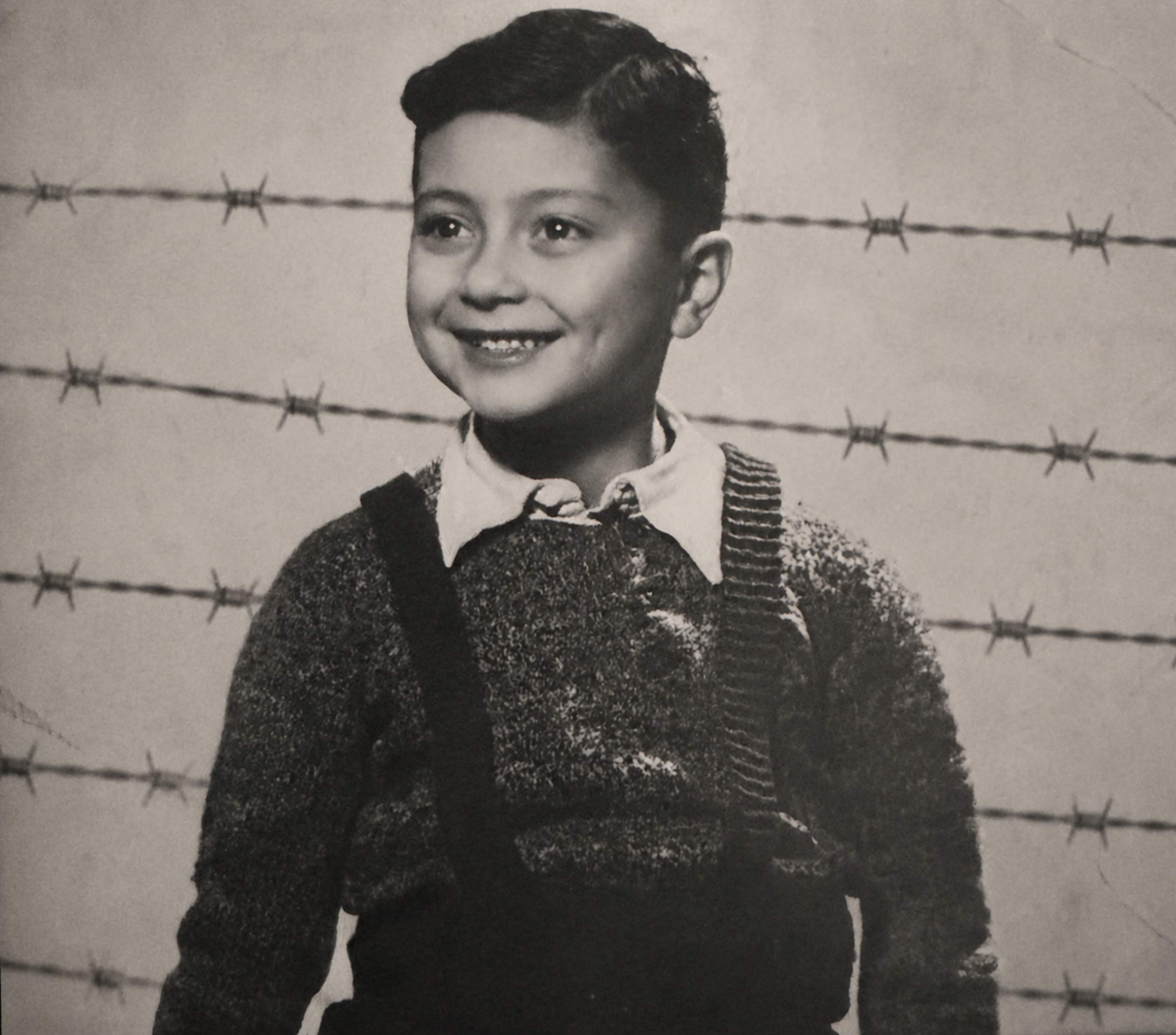
Born Jureck · Warsaw, Poland
Witness · Survivor · Speaker
In the winter of 1942, inside the Vilna Ghetto, George's parents made the only choice they had left. They kissed their little boy and lifted him over the barbed wire — into the arms of a young woman waiting on the other side. This is the story of the boy she caught.
George Rishfeld was born Jureck on the 26th of April, 1939, in Warsaw — just months before the German invasion. His father, Richard, owned a fur business; he and his wife, Lucille, kept a comfortable home, even as many of their neighbors were openly prejudiced against Jews.
When the Nazis took Warsaw that September, the family fled east to Vilna, hoping Russian-held territory would be safer. It was, for a little under two years.
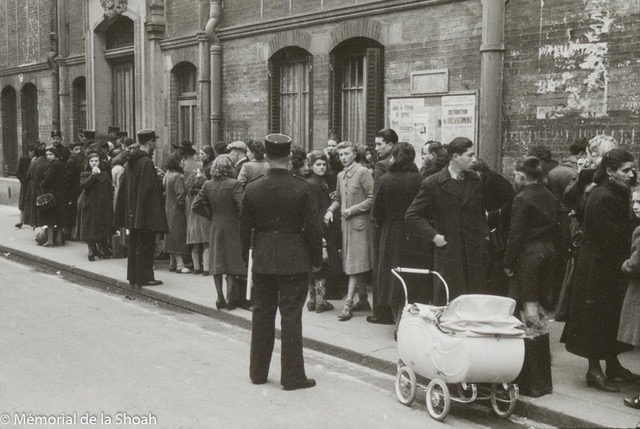
In June 1941, Germany turned on Russia. Within weeks the Nazis held Vilna, and behind brick and barbed wire they built a ghetto — to wall the city's Jews away from everyone else.
Thousands forced into a few cramped streets. Little food, little sanitation. People grew hungry, fell sick, and died.
An aunt and a baby cousin, murdered. His grandparents buried alive in a mass grave. Though George was too young to remember, his parents feared for their lives daily.
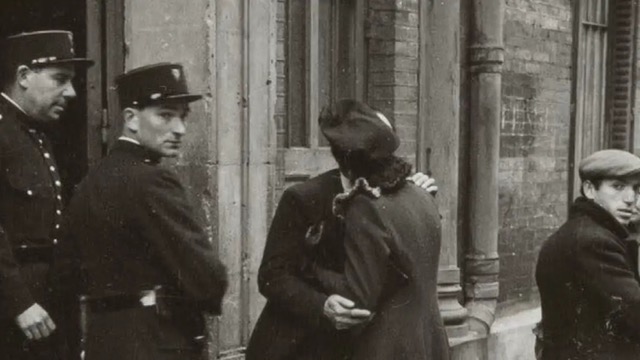
Residents were being sent to the camps, where the cruelty was greater still. Richard and Lucille understood what was coming.
III · The Impossible Choice
They kissed their little boy, and tossed him over the fence.
The Fronckvics family — not Jewish, once employed in Richard's fur shop — had made a promise: if the worst came, they would take the boy and raise him as their own. A secret meeting was arranged. Past the guards and the wire, his parents let him go. On the far side, Halinka caught him.
If they had been seen, all of them would have been shot.Halinka and her boyfriend smuggled the boy back to Warsaw, and the Fronckvics took him in as a son. He adapted so completely that he called them Papa and Mama — and to this day does not know their first names.
He was told never to speak to strangers; a single wrong word could cost every life in the house. Once, a Nazi crouched to his eye level and asked where his mother was. The boy answered honestly — the ghetto — but the officer heard the Polish word for mud, laughed, and handed the charming child a fresh apple.
On Sundays they took him to church, a St. Christopher medal at his neck for cover. When soldiers came searching for hidden Jewish children, Halinka whispered a game: pretend you're sick. He clutched his stomach and moaned, and she walked him straight past them and out the door.
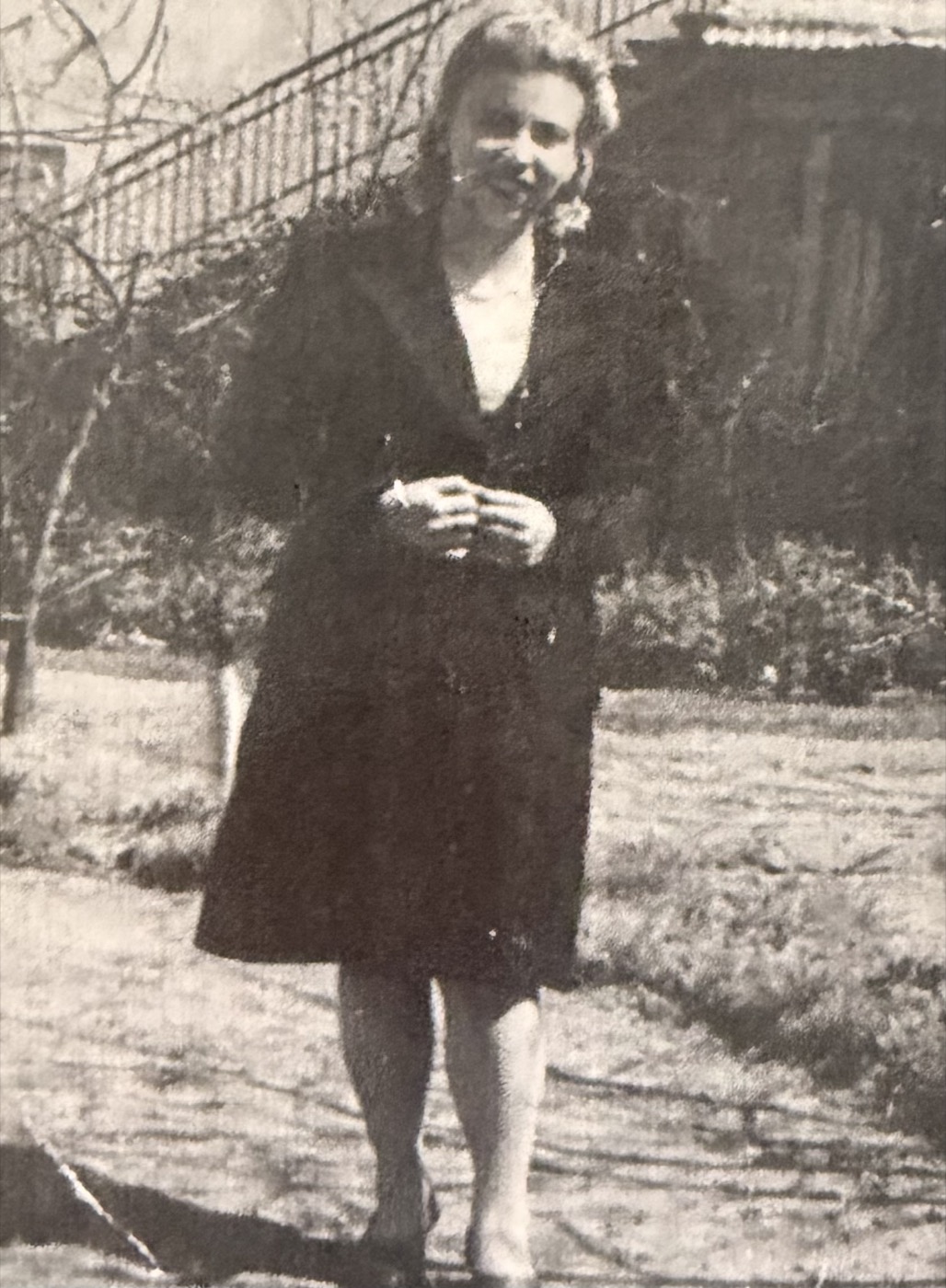
Richard escaped the Vilna ghetto and joined an underground resistance, living hidden among the trees. He spoke little of those years — only that he worked to pull other Jews out of the ghetto. Twice, in secret, he came to see his son.
Lucille's skill as a seamstress kept her alive. Forced to sew for the Nazis, she was moved from ghetto to ghetto — indoor work in winter, a little extra bread. She survived, believing her husband dead. He believed the same of her.
When the war ended, each of them — not knowing the other lived — boarded a train to Warsaw, to find the boy they had given away.
By an impossible turn of fate, they climbed the stairs to Halinka's apartment together, and the three of them were whole again.
In a Displaced Persons camp, George played with children his own age for the very first time. A childhood friend of Lucille's — now a furrier in Brussels — found them there and brought them to Belgium, where George started school and learned to speak French.
On New Year's Day, 1949, the Rishfelds arrived in New York City. George was ten, and the children in school called him the refugee kid. At first he only wanted to disappear into the crowd; in time, he learned to be proud of where he came from. He joined the Army to defend the country that had taken his family in, studied at City College, and built a career in electronics. He and his wife, Pamela, settled in Atlanta, near their two daughters and their grandchildren.
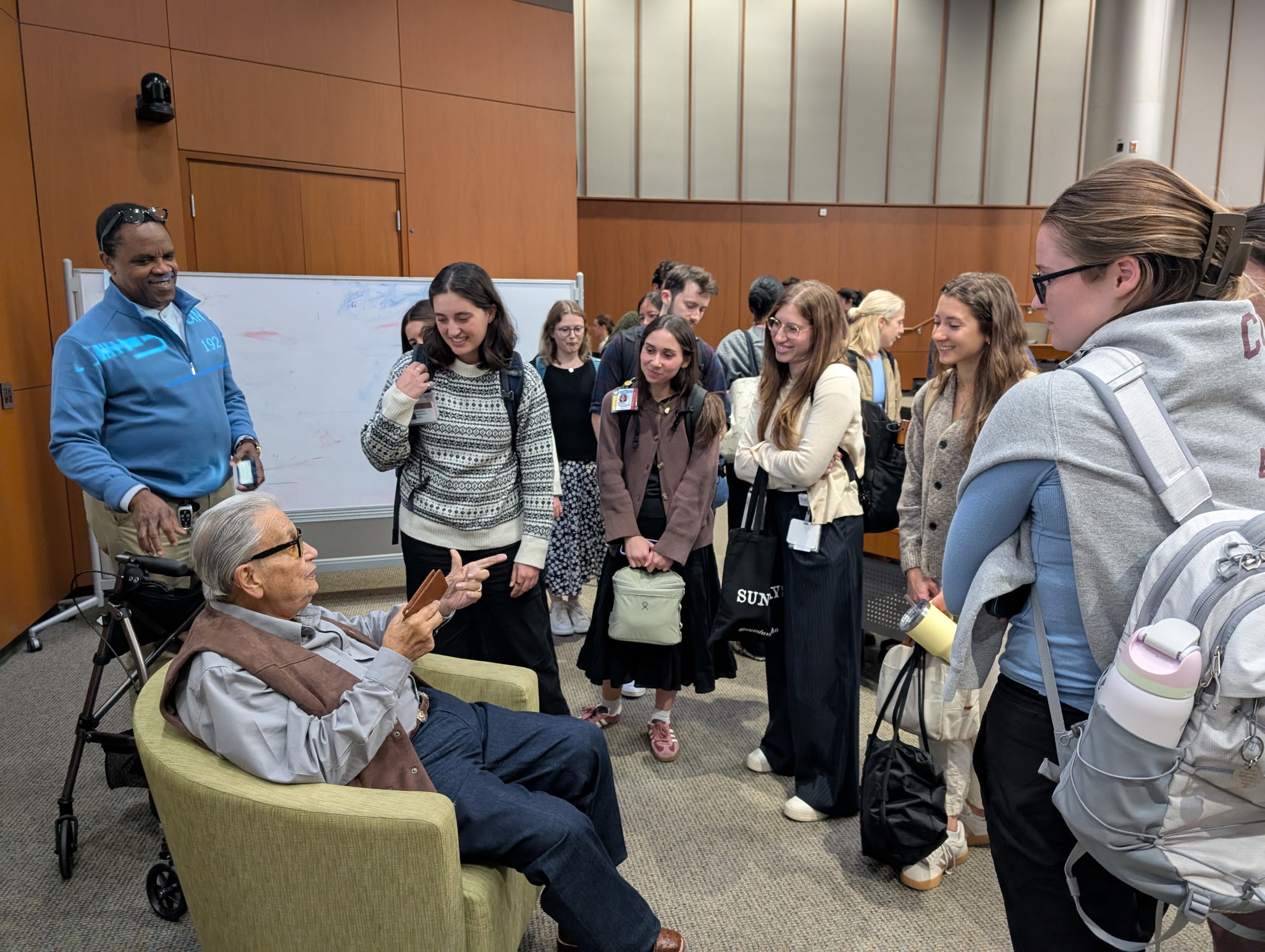
His mission today
“We have to educate our youth about the lessons of the Holocaust. It is the responsibility of the parents to teach their children the right thing to do. We have to be diligent.”
— George Rishfeld. He hopes to reach at least one person, every time he speaks.